
Mastering the art of bluffing at poker tables
Understanding the Psychology of Bluffing
Bluffing is not just a tactical maneuver in poker; it is deeply rooted in psychology. Players must understand their opponents’ behaviors, tendencies, and emotional cues. When you bluff, you’re essentially betting on the assumption that your opponents will fold rather than challenge you. For instance, if a player often bets conservatively, a sudden aggressive move can lead others to believe that they’re holding a strong hand, prompting folds from even decent hands. Additionally, many enthusiasts turn to online platforms like 1win to enhance their skills and strategies further. This psychological manipulation is at the heart of successful bluffing.
Moreover, bluffing requires a fine balance between confidence and deception. A player who appears nervous or unsure is more likely to be called out, so projecting confidence is essential. Observing how your opponents react to different situations, especially when under pressure, can reveal valuable insights into when to bluff or when to hold back. Reading the table dynamics and making calculated decisions based on psychological cues can turn a simple bluff into a powerful weapon.
Another aspect of psychological bluffing is the narrative you create throughout the game. If you’ve played tightly before and suddenly shift to an aggressive stance, it can create doubt among your opponents. They might question whether your change in behavior signifies a strong hand. Establishing a consistent playing style can thus aid in crafting believable bluffs, making opponents more likely to fall for your deception when the time is right.
When to Implement Bluffing Strategies
Timing is crucial in bluffing. Understanding when to initiate a bluff can make all the difference between a winning and losing play. A good time to bluff is when the community cards present a potential draw that hasn’t yet been realized by your opponents. For instance, if the board shows two hearts and you hold none, but you’ve been playing aggressively, opponents may fold lesser hands out of fear of a flush draw. This strategic timing can create a compelling case for your bluff.
Additionally, know the right players to bluff against. Bluffing against tight players who rarely gamble without strong hands can be risky, as they are more inclined to call your bet. Conversely, loose players who often chase draws may find it hard to fold even mediocre hands. Adjusting your bluffing strategy to suit the tendencies of different opponents can enhance your chances of success significantly.

Moreover, the size of your bet matters. A common mistake is to bet too little when bluffing, signaling weakness rather than strength. A well-sized bluff should represent a genuine threat, potentially forcing players with lesser hands to fold. If your bet is substantial enough to suggest a strong hand, opponents may be more inclined to take you seriously, potentially leading to a successful bluff.
Mastering Body Language and Table Presence
Body language plays a significant role in poker and can greatly affect the success of your bluff. Subtle cues, such as fidgeting or avoiding eye contact, can expose a player’s intentions. Mastering your own body language is essential to bluffing effectively. Maintaining a calm demeanor, even when you’re bluffing, can prevent opponents from detecting your deception. Some players find it beneficial to practice their “poker face,” ensuring that their expressions do not betray their hand.
Conversely, understanding how to read opponents’ body language can also enhance your bluffing strategy. Noticing signs of discomfort or hesitation may indicate that your opponent is unsure about their hand, making them more susceptible to a bluff. It’s important to remain observant throughout the game and to adjust your strategy based on these cues. Players who can discern these subtle hints often find success in leveraging them against their opponents.
Your overall table presence can either encourage or deter players from challenging your bluffs. If you are perceived as a strong player with a commanding presence, opponents may fold more easily. Engaging in confident conversation and displaying assertive behavior can enhance your image. Building a reputation among your peers as a skilled, unpredictable player can aid in executing successful bluffs as they may take your moves more seriously, enhancing your bluffing potential.
The Role of Position in Bluffing
Your position at the poker table significantly influences your bluffing strategy. Players in late positions, for example, have the advantage of observing others’ actions before making their own decisions. This information can be instrumental in deciding whether to bluff or not. If the players before you have all checked, it may indicate weakness, creating a prime opportunity for a well-timed bluff intending to steal the pot.
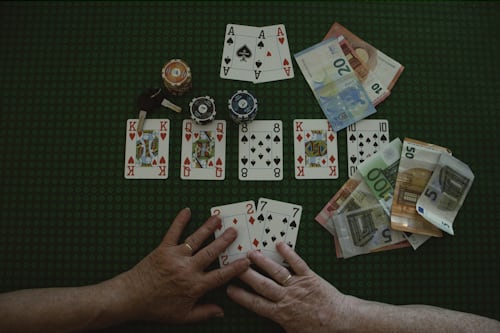
Furthermore, players in early positions have to be more cautious when bluffing. Since they are the first to act, they risk conveying their intentions too early without gauging their opponents’ reactions. In contrast, players in middle positions can evaluate the dynamics at the table better, allowing them to choose their moments for bluffing more effectively. Understanding and leveraging your position can greatly enhance your bluffing capabilities.
Position also influences the types of bluffs you can execute. For instance, when in late position, you might employ a semi-bluff strategy by betting on a draw that may improve later on. This approach not only allows you to build the pot but also retains the chance of completing a strong hand. Such strategic thinking regarding position can elevate your overall poker game and make your bluffs more impactful.
Exploring More Poker Resources
To truly master the art of bluffing at poker tables, continuous learning and practice are essential. Various online resources, communities, and forums provide insights, strategies, and discussions that can greatly benefit aspiring poker players. Engaging with experienced players and analyzing past games are excellent ways to refine bluffing techniques. There are countless articles, videos, and tutorials available for those willing to invest the time in expanding their knowledge base.
Additionally, online poker platforms offer downloadable resources and coaching options that can help players enhance their skills. These platforms often provide simulations that allow players to practice bluffing in various scenarios without the pressure of a live game. The more you play and analyze your decisions, the better equipped you will become at executing successful bluffs in real-time scenarios.
Ultimately, mastering bluffing requires both strategic thinking and emotional intelligence. Understanding the dynamics of each game, knowing your opponents, and being aware of your own tendencies can amplify your success. By dedicating time to enhance your poker skills and continuously seeking out new strategies, you can develop a solid foundation for effective bluffing that will serve you well in both casual games and competitive tournaments.